Module 2: Why Did Socialism Emerge?
A New Age of Industry
By the early 1800s, machines were transforming the world. Factories could produce more goods than ever before. Wealth was growing rapidly. Entire cities sprang up around industrial centers.
But as society was becoming richer, why was so many workers becoming poorer?

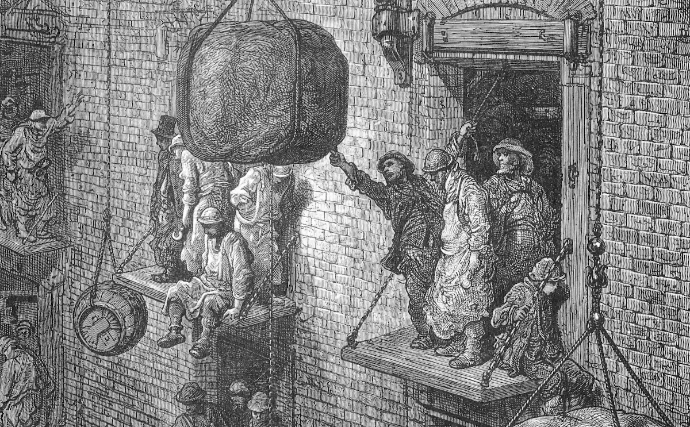
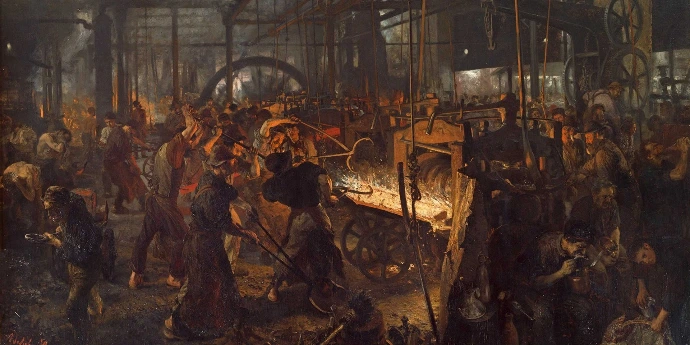
The Industrial Revolution created enormous wealth, but much of it accumulated among factory owners and investors. Many workers continued to struggle despite helping produce that wealth.

Many factory workers spent 12 to 16 hours a day at work, often six days a week. Time off was limited, and workers could be dismissed for arriving late or failing to meet production quotas.
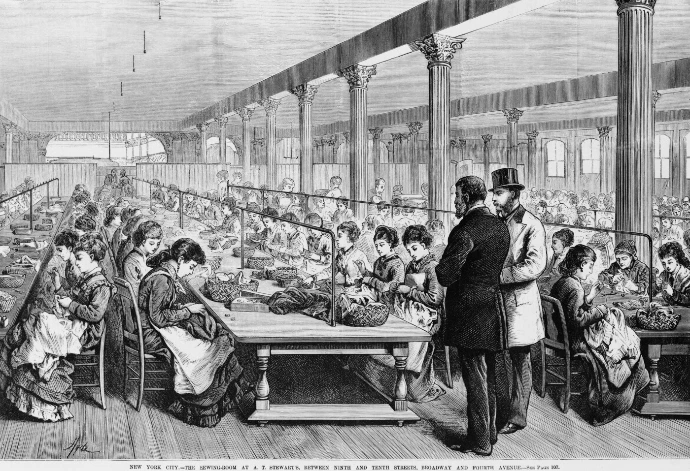
Children as young as 8 years old (sometimes younger) worked in factories, mines, and mills. Their small size made them useful for operating machinery and reaching tight spaces, but the work was often dangerous.

Factory machinery had few safety guards, and workplace injuries were common. Workers who were injured could lose both their income and their job.
Rapid urbanization led to overcrowded housing. Many working-class families lived in cramped apartments with poor sanitation, limited clean water, and a high risk of disease.
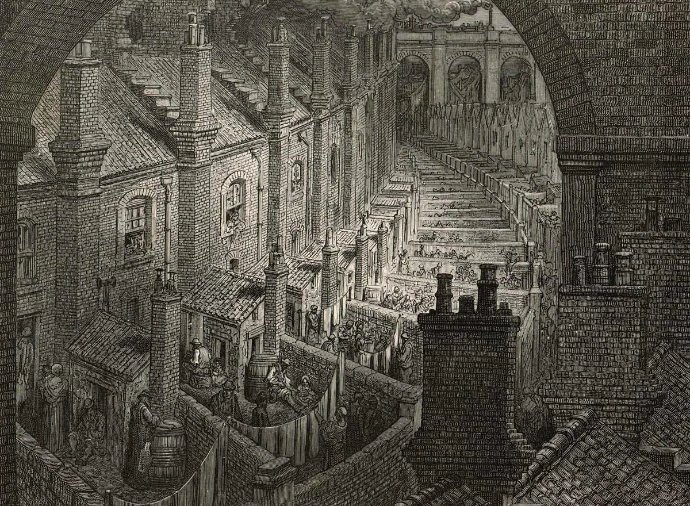
People began to question the system:
As workers experienced living under industrial capitalism, many began to question whether the economic system was working for everyone or primarily for those who owned the factories, land, and capital.
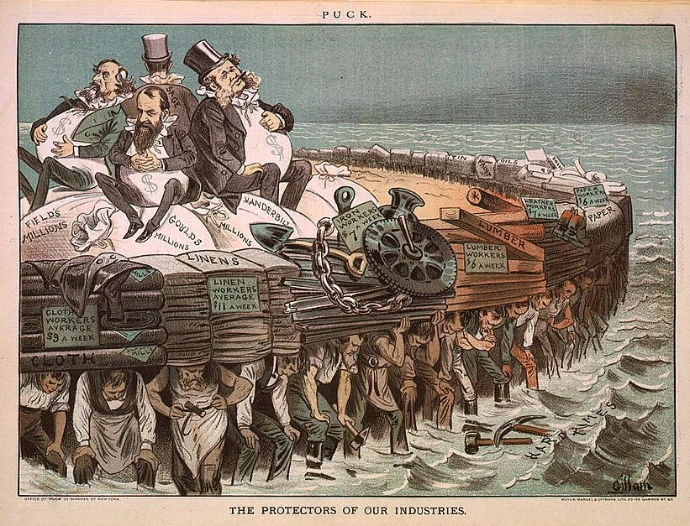
Why were some becoming wealthy while others remained poor?
Could society be organized in a way that better served the needs of everyone?
Who benefits from economic growth? The workers or the people that owned the factories?

Many workers did not simply observe poor conditions and conclude, " Socialism."
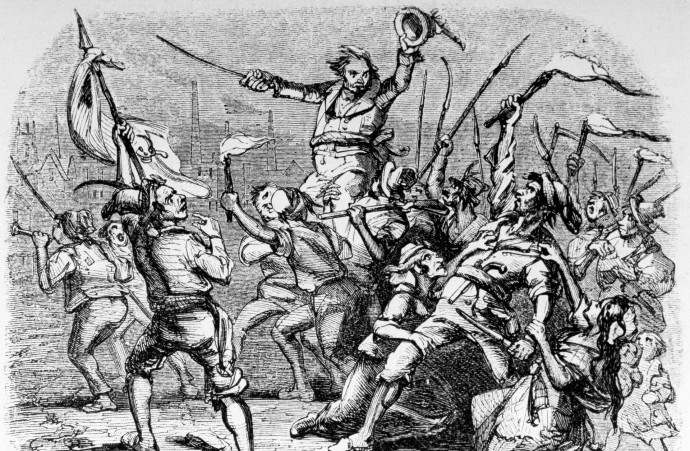
There was often a long period of organizing, petitioning, striking, and attempting to reform capitalism. In many countries, those efforts were met with resistance from employers, private security forces, police, or the state.
Some examples include:
- Workers being fired or killed for union organizing.
- Strikes being broken by police or military forces.
- Arrests of labour leaders.
- Violent clashes between workers and authorities.
- Restrictions on voting rights that limited workers' political influence.
These events helped convince some workers and intellectuals that the capitalist system and the state protected the interests of property owners more than workers.
The Turning Point
As these conflicts continued, some reformers began arguing that the problem was not simply poor working conditions or bad owners.
They believed the economic system (capitalism) itself was structured in a way that concentrated power and wealth to those who owned factories, land, and capital, while workers had little control over the conditions of their lives.
These ideas would become the foundation of many socialist thought and gained traction with the masses.
There are no comments for now.
to be the first to leave a comment.