Module 4 Socialism Becomes a Movement
Workers Had to Fight for What Seems Normal Today
Many rights people now see as normal were not freely given. Shorter workdays, safer workplaces, weekends, pensions, child labour laws, public healthcare, unemployment support, and collective bargaining were won through organizing, strikes, political pressure, and sacrifice.

From Labour Struggles to Global Movements

Late 1700s–1800s
Industrial Revolution
Factories grow. Workers face long hours, low wages, unsafe conditions, child labour, and little political power.Early Worker Organizing
Friendly societies, cooperatives, unions, and worker education groups begin forming.
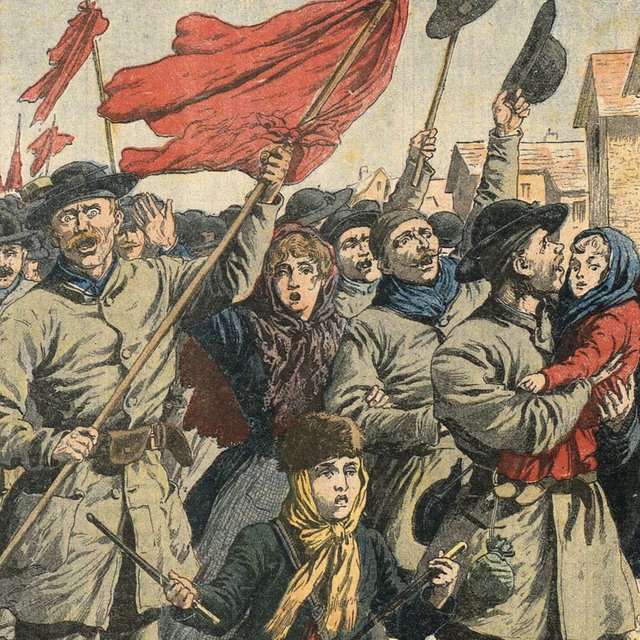

The Communist Manifesto
Marx and Engels argue that workers must organize as a class and challenge capitalism.
The pamphlet concludes with a rallying cry for the working class to unite and overthrow the capitalist system, famously stating, "Let the ruling classes tremble at a Communistic revolution. The proletarians have nothing to lose but their chains. They have a world to win."Labour Parties and Trade Unions Grow
Socialist and labour parties form across Europe. Unions push for wages, safety, and shorter hours.
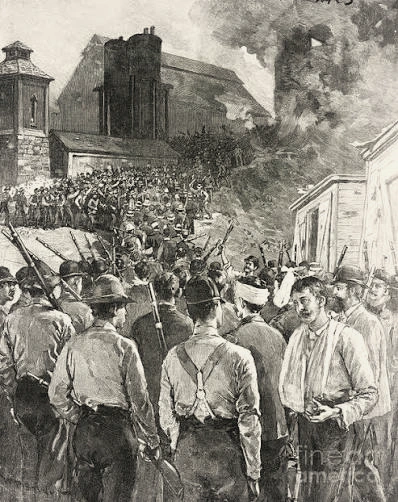
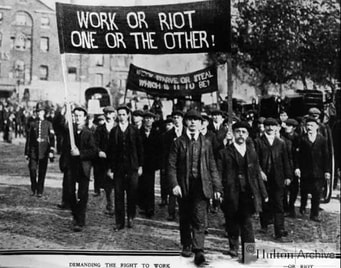
The Fight for the Eight-Hour Day
Workers campaign around the demand: “Eight hours for work, eight hours for rest, eight hours for what we will.”The Russian Revolution
The Soviet Union becomes the first major state to build socialism.
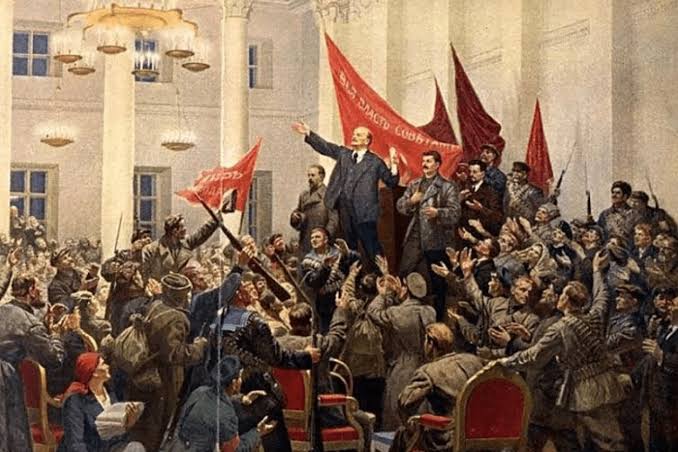
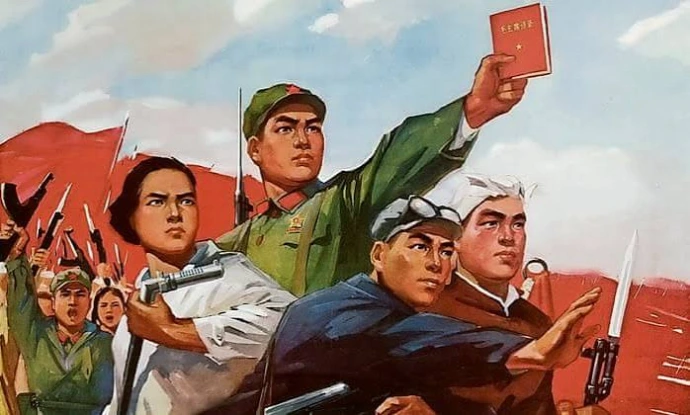
Chinese Revolution
The Chinese Communist Party takes power and establishes the People’s Republic of China. This expands socialism beyond Europe and shows how socialist movements adapted to colonialism, poverty, peasant struggle, and national development.
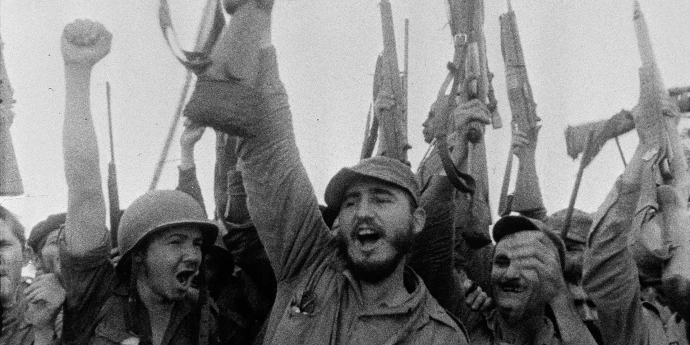
Cuban Revolution
Cuba becomes another major socialist state. The Cuban Revolution was the military and political movement that overthrew the dictatorship of Fulgencio Batista
Anti-Colonial and Socialist Movements
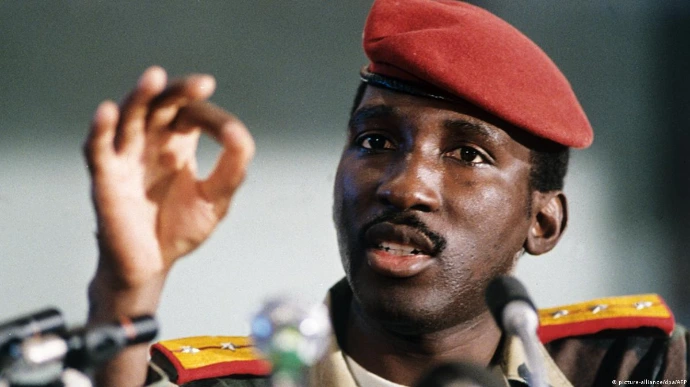
Many countries in Africa, Asia, and Latin America connect socialism with independence, land reform, public ownership, and resistance to foreign control.
Socialism did not develop in only one country or one form. In France, it grew through revolution and early socialist theory. In Britain, it grew through industrial labour organizing. In Russia and China, it became tied to revolutionary state power. In Canada, it developed more through democratic socialism, labour politics, public healthcare, and social programs.

There are no comments for now.
to be the first to leave a comment.