Module 3: The First Socialists
Early Socialist Thinkers
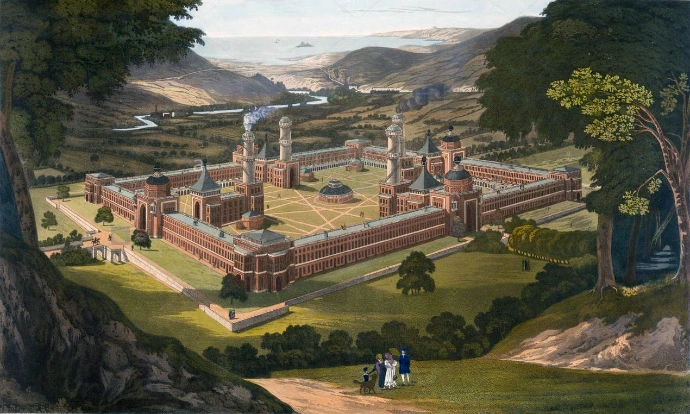
Before Marx, there were earlier socialist thinkers who believed society could be redesigned to be more cooperative and fair. These thinkers are sometimes called utopian socialists.
Robert Owen
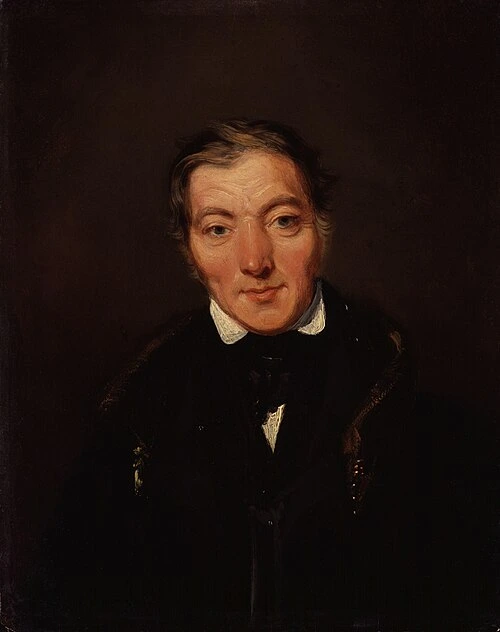
Robert Owen was a factory owner who believed workers should be treated better. He improved conditions for workers in his own factories and supported education, shorter working hours, and cooperative communities.
His main idea was that people are shaped by their environment. If society creates poverty, poor education, and harsh working conditions, people will struggle. If society provides better conditions, people can live better lives.
Henri de Saint-Simon
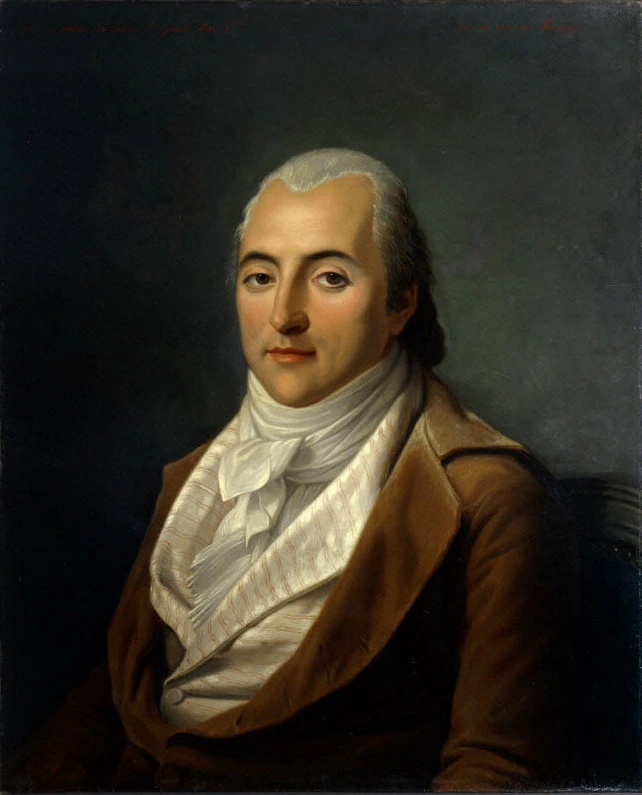
Saint-Simon believed society should be organized around productive work and social usefulness. He thought scientists, engineers, workers, and planners should help organize society for the common good.
His ideas influenced later socialist thinking because he focused on planning, cooperation, and the idea that society should serve the needs of all people, not just the wealthy.
Charles Fourier
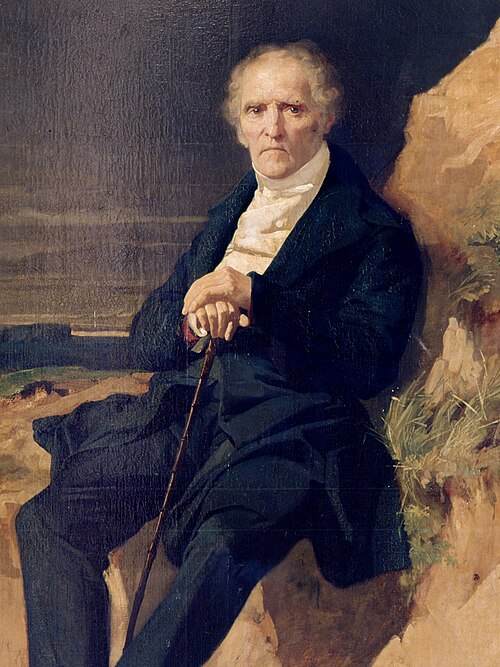
Fourier criticized industrial capitalism and believed people should live and work in cooperative communities. He imagined communities where work would be shared more fairly and people would have more freedom in choosing the kind of work they did.
His ideas were idealistic, but they reflected a growing belief that capitalism was not the only possible way to organize society.
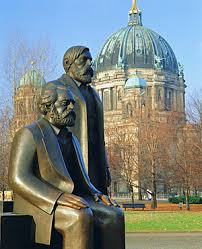
Marx and Engels
Karl Marx and Friedrich Engels became the most influential socialist thinkers of the 1800s. They argued that society was divided into classes. In industrial capitalism, the two main classes are:
The bourgeoisie (capitalist): the owners of factories, machines, land, and capital.
The proletariat (workers): the working class, who sold their labour to survive.
Marx and Engels wrote extensively on capitalism and the contradictions it created between these two groups and within the system of capitalism itself. Owners wanted to increase profit. Workers wanted better wages, safer work, and shorter hours. Because profit often depended on keeping labour costs low, Marx and Engels believed conflict between owners and workers was built into the system.
This idea is called class struggle.

Exploitation
Marx argued that workers created value through their labour, but owners kept much of the profit. He called this exploitation.
In simple terms:
Workers produced goods / Owners sold the goods.
Workers received wages / Owners kept the profit.
Marx believed this system allowed owners to grow richer while workers remained dependent on wages.
*In Marxist theory, exploitation does not simply mean “being treated badly”; it means workers do not receive the full value created by their labour.
The Communist Manifesto
In 1848, Marx and Engels published The Communist Manifesto. It argued that history is shaped by class struggle and called for workers to unite against capitalist exploitation.
Marx and Engels did not just want better treatment for workers. They believed the entire economic system needed to change.
There are no comments for now.
to be the first to leave a comment.